Demographic Trends Shaping Ongoing Loyalty Structures in Sweden's Licensed Slot Environments
Sage Hansen · Oct 31, 2026
Demographic Trends Shaping Ongoing Loyalty Structures in Sweden's Licensed Slot Environments
Sweden's licensed slot environments continue to evolve as demographic shifts influence how operators structure loyalty programs under Spelinspektionen oversight, and data from October 2026 shows clear patterns in player retention strategies across both land-based venues and regulated online platforms. Population changes, including aging cohorts alongside rising numbers of younger adults in urban centers, drive adjustments in reward tiers, point accumulation systems, and personalized incentives that operators deploy to maintain engagement levels.
Age Distribution and Its Impact on Reward Systems
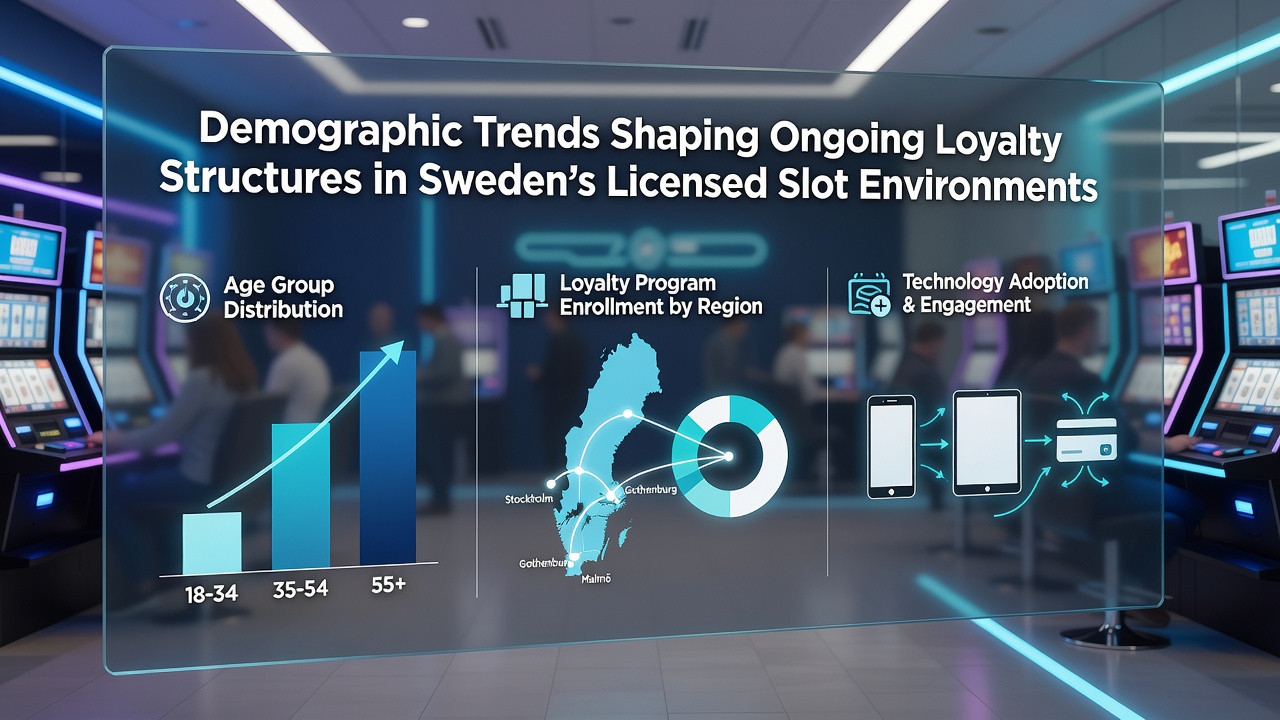
Younger players aged 18 to 34 represent a growing segment in Sweden's regulated slot market, and operators respond by integrating mobile-linked loyalty features that track play sessions in real time while offering instant redemptions for digital vouchers or tournament entries. Older demographics, particularly those over 55, show stronger preferences for traditional point-based accumulation that converts into physical merchandise or hospitality packages at casino locations, according to figures from the Swedish Gambling Authority. These differences lead operators to maintain parallel loyalty tracks within the same venue or platform, allowing seamless transitions between app-based rewards and on-site benefits without disrupting compliance requirements.
Urbanization Patterns and Regional Variations
Concentrated population growth in Stockholm, Gothenburg, and Malmö correlates with higher adoption rates of tiered loyalty memberships that emphasize social gaming elements, such as group challenges and shared leaderboards, while rural players often engage more consistently with straightforward cashback structures tied directly to wager volume. Migration within Sweden has prompted several licensed operators to expand regional promotion partnerships, linking loyalty points to local transport or retail networks that appeal to commuters and smaller-town residents alike. This geographic spread creates distinct data sets that operators analyze to calibrate bonus thresholds and VIP qualification criteria throughout the year.
Gender Dynamics in Player Retention
Female participation in licensed slot activities has increased steadily, with data indicating that women now comprise over 40 percent of active loyalty members in several major Swedish operations, prompting the introduction of family-oriented reward bundles and wellness-related redemptions alongside classic gaming perks. Male players continue to dominate certain high-volume segments, yet loyalty programs increasingly blend gender-neutral incentives such as exclusive event access and progressive jackpot contributions that accumulate across both demographics. Operators track these participation rates through anonymized player data to refine eligibility rules for ongoing promotions without violating privacy standards enforced since the 2019 re-regulation.
Immigration and Cultural Influences on Program Design
Sweden's changing immigrant population introduces new preferences into loyalty frameworks, where operators incorporate multilingual support interfaces and culturally tailored reward options such as international travel redemptions or cuisine-focused experiences. Research from Nordic statistical agencies reveals that first-generation participants often prioritize immediate, tangible benefits over long-term point banking, which has led to hybrid structures combining instant credits with extended membership milestones. These adaptations help licensed venues maintain compliance while addressing varied engagement styles observed across different community groups.
Socioeconomic Factors and Spending Behaviors
Income levels and employment patterns among slot players affect how loyalty structures allocate value, with higher-earning segments responding to premium tier benefits like dedicated account managers and priority event invitations, whereas mid-range earners engage more with flexible point multipliers during off-peak hours. October 2026 reports from industry monitoring bodies highlight that operators adjust qualification thresholds seasonally to align with economic indicators, ensuring accessibility across socioeconomic brackets without altering core regulatory parameters. This calibration supports sustained participation rates even as broader economic conditions fluctuate.
Technology Adoption Across Generations
Digital fluency varies significantly by age group, and loyalty platforms now feature simplified navigation for less tech-savvy users alongside advanced analytics dashboards for those comfortable with data-driven customization. Integration with national identification systems allows secure verification that streamlines enrollment for all demographics, reducing friction in point tracking and reward delivery. Observers note that this dual approach helps operators retain both digital natives and traditional players within the same licensed ecosystem.
Conclusion
Demographic trends continue to reshape loyalty mechanisms in Sweden's licensed slot environments through targeted adjustments in reward accessibility, personalization depth, and cross-platform compatibility. Data collected up to October 2026 underscores the necessity for operators to monitor population shifts closely, maintaining flexible structures that accommodate diverse player profiles while adhering to established regulatory frameworks. These ongoing modifications reflect measurable changes in player composition rather than static program designs.