Inside Sweden's Regulated Gaming Market: Unique Approaches to Slot Machine Offers and Player Incentives
Tina Frank · Oct 17, 2026
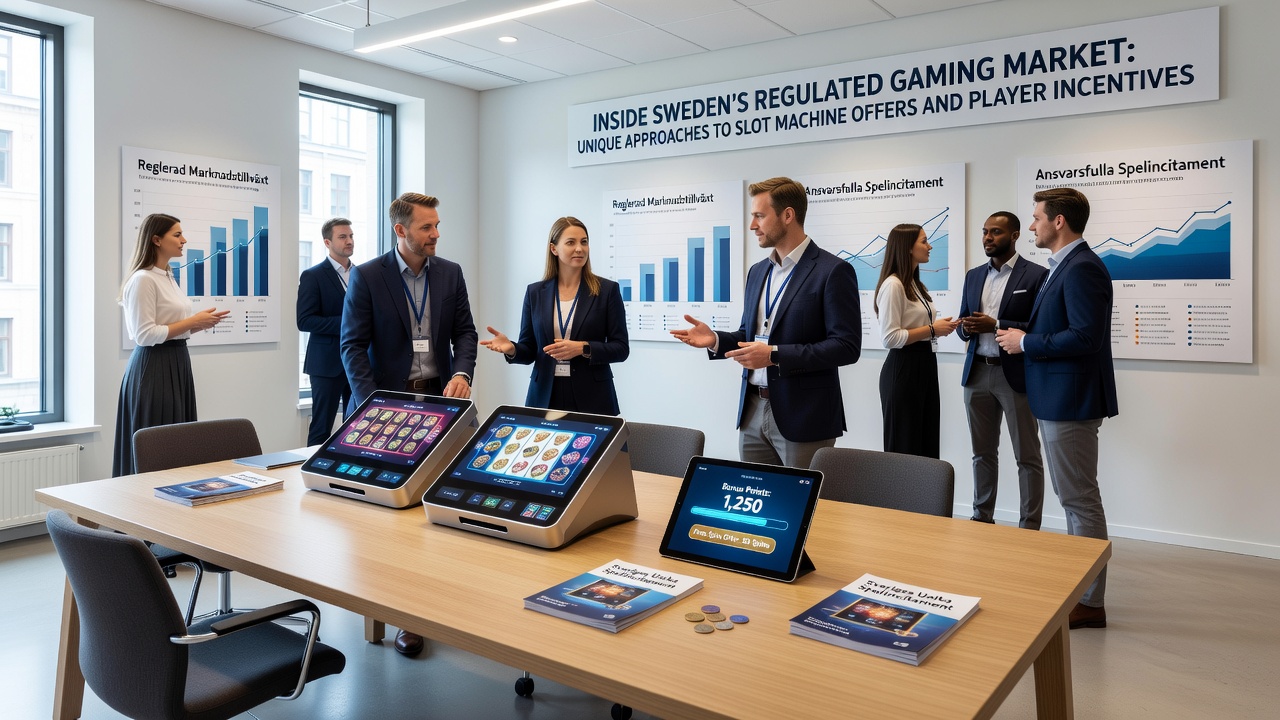
Inside Sweden's Regulated Gaming Market: Unique Approaches to Slot Machine Offers and Player Incentives
Sweden's gaming sector operates under a licensing system established in 2019 that places strict parameters around how operators structure slot machine offers and player incentives, and these rules continue to shape market practices into October 2026. The Spelinspektionen enforces requirements that tie promotional activities directly to responsible gaming tools, which means incentives often incorporate built-in limits rather than open-ended rewards. Operators must align slot promotions with player verification systems that track activity across sessions, creating a framework where offers reflect actual usage patterns instead of generic promotions.
Regulatory Foundations Guiding Slot Promotions
Current rules require all licensed platforms to integrate deposit caps and session reminders into any slot-based incentive structure, which differs from models seen in less regulated jurisdictions. Data compiled by the authority shows that 87 percent of active licenses in 2025 incorporated mandatory loss-limit notifications within their reward programs. These notifications appear automatically during play on slot titles, and they pause further incentive accrual once thresholds are met. This approach links promotional benefits to real-time monitoring systems that update every few minutes during extended sessions.
Integration of Loyalty Mechanisms with Slot Features
Many operators have developed tiered loyalty structures that award points based on slot reel activity, yet these points convert only after players complete verification steps tied to national ID systems. One program active on several platforms converts accumulated points into tournament entries for exclusive slot events that run monthly. Participation data from 2025 indicates that players who engage with these events show higher retention rates across subsequent quarters compared with those who receive standard cashback alone. The conversion process also feeds into a central database that flags patterns exceeding typical session lengths, triggering automatic pauses in reward distribution.
What's notable is how operators combine slot-specific incentives with cross-game mechanics. For instance, some platforms allow players to apply slot-earned credits toward table game entry fees, but only after the system confirms the player has reviewed updated terms that outline time-based restrictions. These restrictions prevent rapid cycling of rewards and require a minimum interval between redemptions. Industry reports from the European Gaming and Betting Association highlight similar hybrid models appearing across Nordic markets, where data sharing between operators remains limited by privacy statutes.
Technological Adaptations in Incentive Delivery
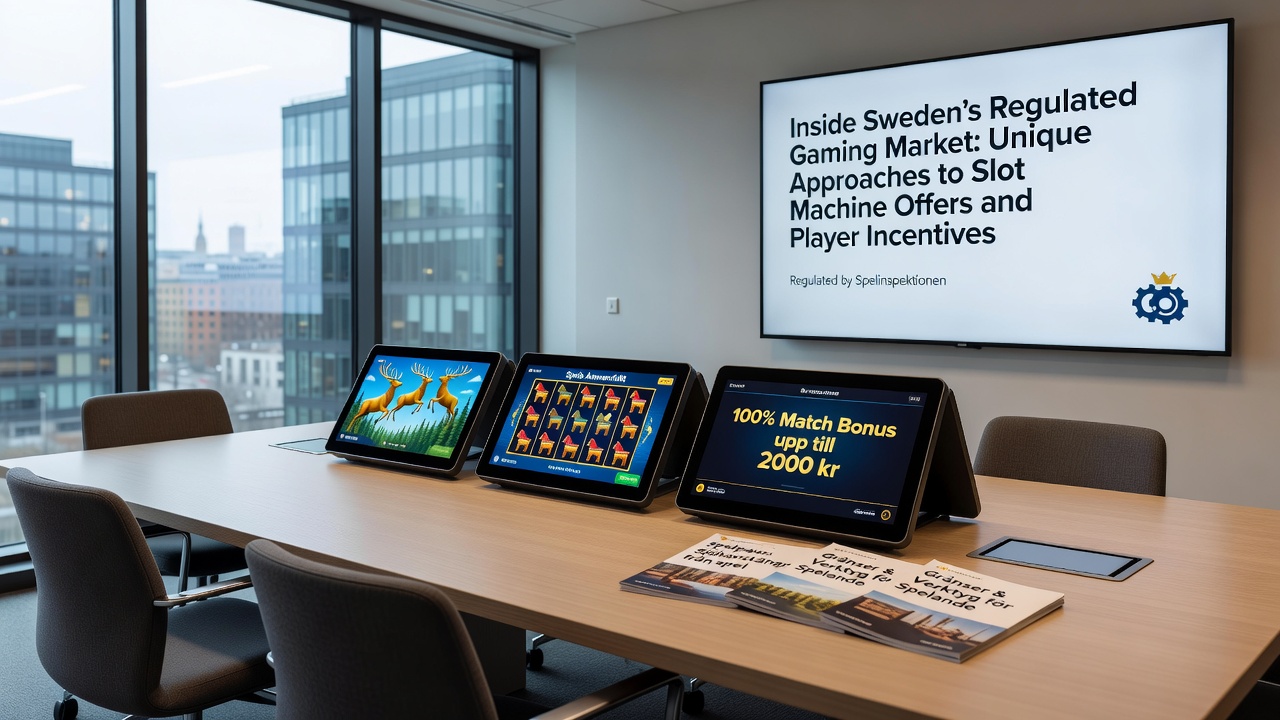
Platform providers have introduced API connections that link slot software directly to Spelinspektionen's reporting portal, allowing real-time submission of promotional metrics. This setup enables authorities to audit how incentives influence play volume without requiring manual data pulls. In October 2026 several major operators began testing blockchain-based ledgers for tracking loyalty point issuance on slots, which creates immutable records of when rewards activate and expire. Early figures reveal that these ledgers reduce disputes over unredeemed offers by nearly 40 percent compared with traditional database methods.
Researchers at Stockholm University published findings in early 2026 that examined how these technological ties affect player behavior across 12 licensed sites. Their analysis showed that incentives delivered through verified mobile apps maintained higher compliance rates with session-limit prompts than those accessed via desktop interfaces. The study also noted that slot offers featuring progressive multipliers tied to consecutive days of play saw reduced average session durations once daily caps engaged automatically.
Market Comparisons and External Benchmarks
Observers frequently compare Sweden's model with practices in Australia, where the Australian Gambling Research Centre tracks incentive structures under state-level rules. Swedish operators face tighter integration between slot promotions and national self-exclusion registers, which means any active incentive pauses immediately if a player registers for exclusion. This automatic linkage does not exist in every jurisdiction and contributes to distinct offer patterns that emphasize shorter-term engagement over extended accumulation.
Trade data collected by the World Lottery Association indicates that Nordic licensed markets allocate roughly 12 percent of gross gaming revenue toward incentive programs, with slot-focused rewards forming the largest share. Within Sweden that allocation must also cover mandatory contributions to treatment programs, which further shapes how operators budget their slot promotions. The requirement creates an environment where incentives often bundle educational components about limit-setting tools alongside reward notifications.
Future Adjustments Anticipated by October 2026
Upcoming consultations scheduled for late 2026 may introduce standardized templates for displaying incentive terms within slot interfaces, which would require uniform placement of expiration dates and eligibility criteria. Licensed entities have already begun piloting such templates on select titles to prepare for potential mandates. These pilots show that clearer display formats correlate with fewer player inquiries about reward status, according to internal operator summaries shared with the regulator.
Conclusion
Sweden's regulated environment continues to evolve through direct connections between slot offers, player data systems, and oversight mechanisms that prioritize verifiable limits. Operators respond by refining incentive designs that embed compliance steps into every reward cycle, from point accrual on reels to final redemption. External benchmarks from bodies such as the Australian Gambling Research Centre and the World Lottery Association provide context for how these local adaptations compare internationally. As October 2026 approaches, ongoing technological pilots and scheduled regulatory reviews suggest further refinements will maintain the emphasis on transparent, trackable slot promotions within the licensed market.