Player Data Patterns Driving Customized Introductory Offers Across Nordic Regulated Gaming Platforms
Willa Braun · Oct 3, 2026
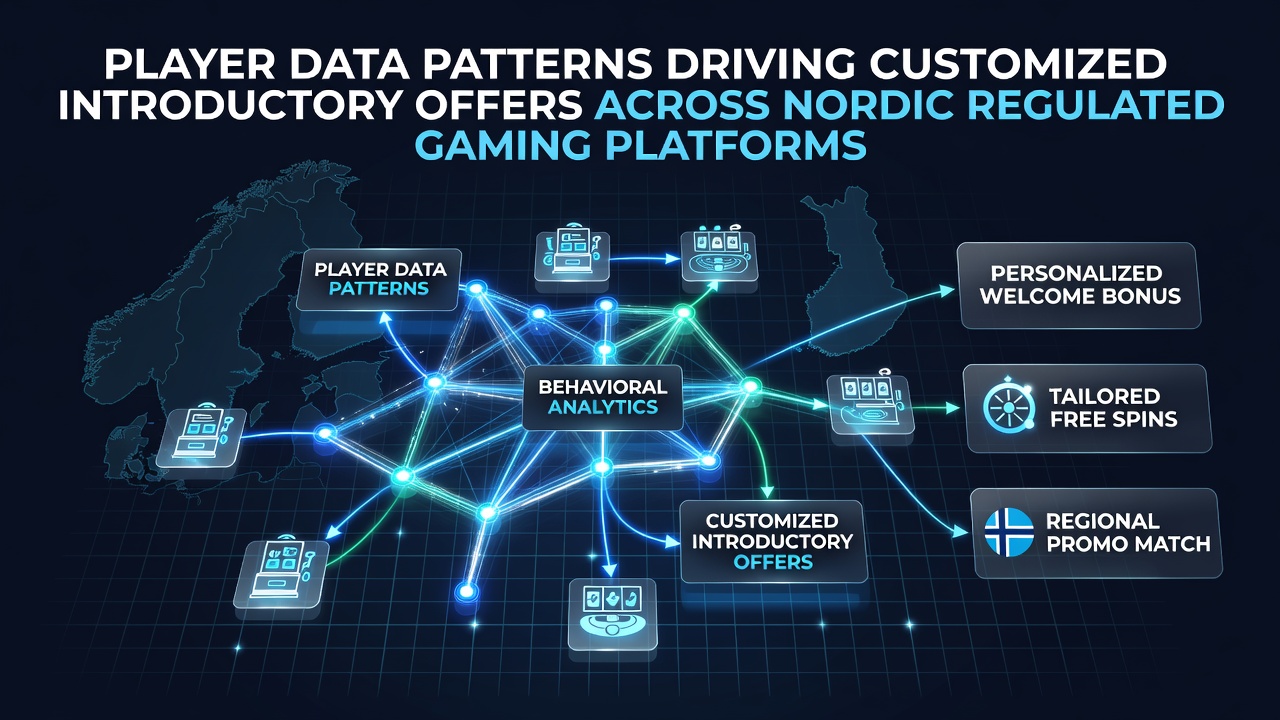
Player Data Patterns Driving Customized Introductory Offers Across Nordic Regulated Gaming Platforms
Operators across Nordic regulated markets collect extensive player data through registration details, gameplay tracking, and engagement metrics, then apply these insights to shape personalized introductory offers that align with observed behaviors and preferences. In markets such as Sweden, Denmark, Norway, and Finland, licensing requirements mandate transparent data practices while permitting operators to refine welcome bonuses, deposit matches, and free spin packages based on patterns extracted from user activity. As of October 2026, platforms continue to refine these approaches amid stable regulatory frameworks that emphasize player protection alongside commercial flexibility.
Data Sources and Collection Practices
Registration forms capture age, location, preferred payment methods, and device information, while ongoing sessions record session duration, game selection, bet sizes, and win-loss ratios. Operators integrate these elements with third-party verification tools to build profiles that highlight tendencies such as preference for high-volatility slots or consistent use of mobile apps during evening hours. Studies from academic institutions show that combining demographic data with behavioral logs allows platforms to segment users into groups that respond differently to various incentive structures.
Researchers at institutions including the University of Gothenburg have documented how operators track deposit frequency and withdrawal patterns to identify players likely to engage with time-limited promotions versus those who favor extended play sessions. These records feed into algorithms that adjust offer parameters like bonus percentage, wagering requirements, and game eligibility without violating regulatory caps on promotional intensity.
Identified Behavioral Patterns
Analysis of aggregated datasets reveals recurring patterns where players from certain regions exhibit higher engagement with sports betting bundles, whereas others gravitate toward casino-style introductory packages featuring free spins on popular titles. Data indicates that users who complete verification within the first 24 hours after registration demonstrate stronger retention when presented with immediate small-value rewards, while delayed verifiers respond better to conditional offers tied to first deposits. Platforms note that mobile-first users often interact more frequently with push notification campaigns promoting customized bonuses compared to desktop users.
Customization Mechanisms in Practice
Algorithms process real-time signals to generate offers that match detected patterns, such as increasing free spin quantities for players who favor low-stake sessions or extending bonus validity periods for those with irregular login times. One operator in Denmark adjusted its welcome structure after reviewing six months of player logs and observed a measurable uptick in completed first deposits among users receiving tailored rather than generic promotions. Similar adjustments appear across Finnish and Norwegian platforms where operators link offer types to preferred game categories identified through session data.
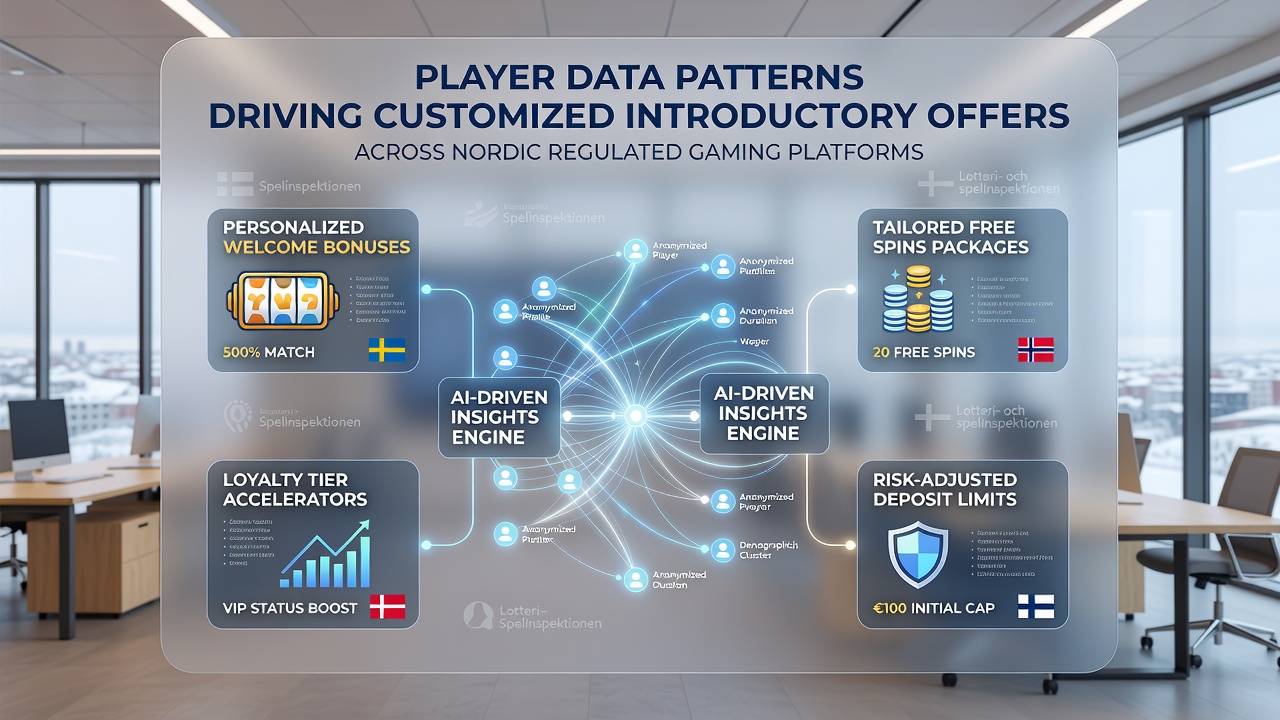
Regulatory oversight requires that any customization remain within approved marketing guidelines, so operators document the data criteria used and ensure offers do not target vulnerable groups identified through spending pattern analysis. Reports from the Danish Gambling Authority detail how licensed entities submit summaries of their segmentation logic during annual compliance reviews, confirming that personalization stays grounded in observable activity rather than speculative profiling.
Regulatory Environment Across the Region
Nordic licensing bodies maintain distinct yet overlapping rules that influence how player data informs promotional design. Sweden's framework emphasizes clear disclosure of bonus terms derived from data analysis, while Norway's state-controlled model limits private operator experimentation with personalization. Finland continues its transition toward a more open licensing system, and operators there have begun testing data-driven introductory offers under strict reporting requirements. Across these jurisdictions, authorities require operators to demonstrate that data usage for customization does not compromise responsible gaming standards.
Figures released by the Norwegian Gaming and Foundation Authority illustrate steady growth in the proportion of licensed operators employing some form of behavioral segmentation for welcome offers between 2024 and 2026. These statistics align with broader industry reports indicating that data-informed customization has become standard practice where regulations permit it.
Observed Outcomes and Industry Response
Platforms report that refined introductory offers based on player patterns correlate with improved conversion rates from registration to first deposit, though exact percentages vary by market and offer type. Industry associations note that operators increasingly share anonymized pattern insights through collaborative forums to refine collective understanding of regional preferences without exchanging individual user information. This exchange supports development of more accurate predictive models while remaining compliant with data protection legislation.
Observers note that as of October 2026, several operators have expanded their data infrastructure to incorporate machine learning elements capable of adjusting offer parameters dynamically during the registration flow. Such systems draw on historical cohort performance to predict which combination of bonus features will align with a new user's emerging profile.
Conclusion
Player data patterns continue to shape the structure and delivery of customized introductory offers on Nordic regulated gaming platforms through systematic collection, segmentation, and regulatory-compliant application of behavioral insights. Operators in Sweden, Denmark, Norway, and Finland apply these methods within frameworks that balance commercial objectives with player protection mandates. Ongoing documentation from licensing authorities and research bodies provides visibility into how these practices evolve while maintaining compliance across the region.